Top Tips for Native Tree Establishment
Give Your Plants the Best Start
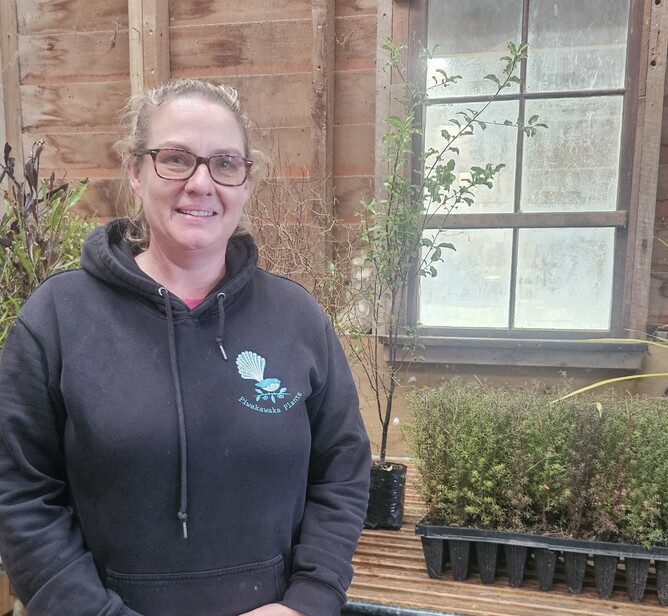
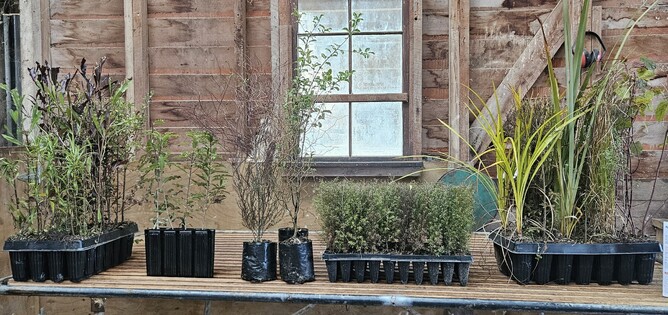
Native trees look great, enhance biodiversity on farm and create a lasting legacy for future generations. Gemma Phillips from Piwakawaka Plants shares her top tips for native tree establishment, so you can give your precious plants the best chance of survival.
1. Choose your site and fence it.
Choose your site and start with fencing - make sure it’s tight and stockproof. On their farm, Gemma uses netting with a hot wire on top.
2. Get advice
Talk to your local Land Management Officer at the Regional Council. Things to consider include whether your site is wet, dry, windy or even frost prone, this will influence your plant selection. For example, flaxes and sedges will generally thrive in wetter areas or gullies. In terms of density, you want to plant between 1000 stems per hectare to 1200/ha. Expect to lose some, a 10-20% death rate is fairly normal. Be prepared to go back in following years and fill in gaps.
3. Before you plant
Spot spraying pre-planting is crucial to give natives the best start, as plants don’t want to be competing with long grass. A good pre-planting graze of the site (once fenced) can also help deck the site out and make future site management easier.
4. Release spray
Ensure you come back and release spray plants. It is easy to lose the odd one, so make sure it’s a calm day to avoid wind drift. Again, it’s about keeping the grass off them as much as possible.
5. Pest control
Pest control is a vital element of ensuring successful native establishment. Animals hare and deer love to nibble on young plants. This is an on-going process, pest control should be carried out before, during and after planting. Shooting is effective and there is also a blood spray, called Plantskydd, a repellent that can be sprayed on the plants to deter possums, deer, hare and rabbits. Some nurseries may pre-spray plants before you pick them up, otherwise you can do them once planted using a knapsack.
6. A helping hand
Anything you can do to give plants a helping hand is beneficial, though is does come at a cost. This could include measure like plant guards and fertiliser tablets. “I don’t think they are totally necessary, natives will grow, as long as you keep pests away,” Gemma says.
Other points to note:
Check where your plants are coming from and the conditions they are grown in. If they have been in a controlled environment/shade house all their life, they may not be hardy enough to cope well when exposed to the elements.
Eco-sourcing (the propagation of native plants from naturally occurring wild populations and planting the resulting plants back within the same geographic area) can be beneficial. If your plants have been grown in the climate where you intend to plant them, this is a big plus.
No old plants. Check for and try to avoid root-bound plants (this is where you can see more roots than soil).
Natives are hard to see for the first few years. Once you have planted and the grass gets up, you may think there’s not much growing. Don’t be tempted to put stock back in, chances are, there are more plants there than you think. It takes 3-4 years before you’ll really start to see them.
Right tree, right place – again this comes back to site assessment and getting advice to determine what may grow well in your climate and handle wetter/drier/windy conditions.
Contact Gemma: piwakawakaplants@gmail.com or find them on Facebook.