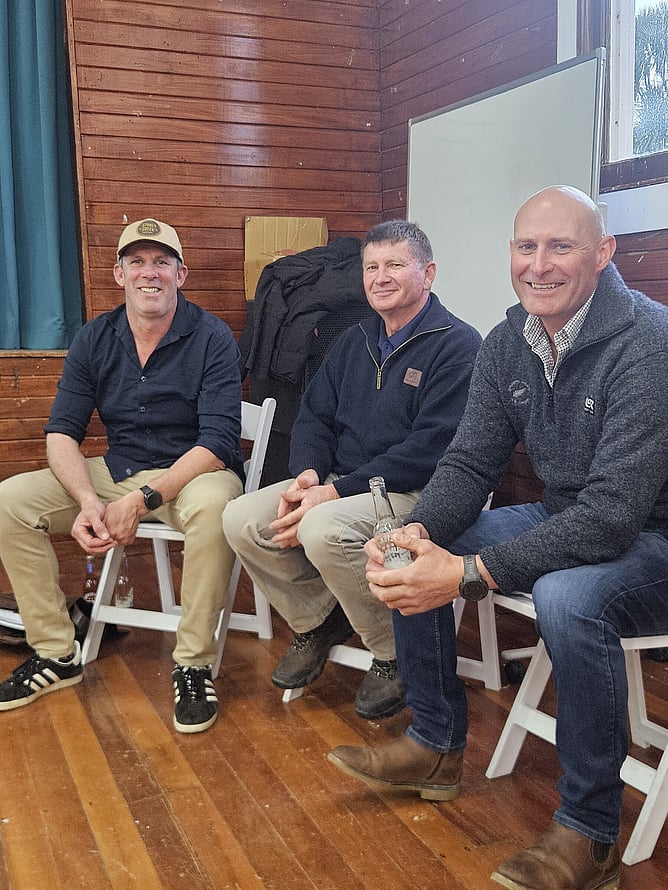
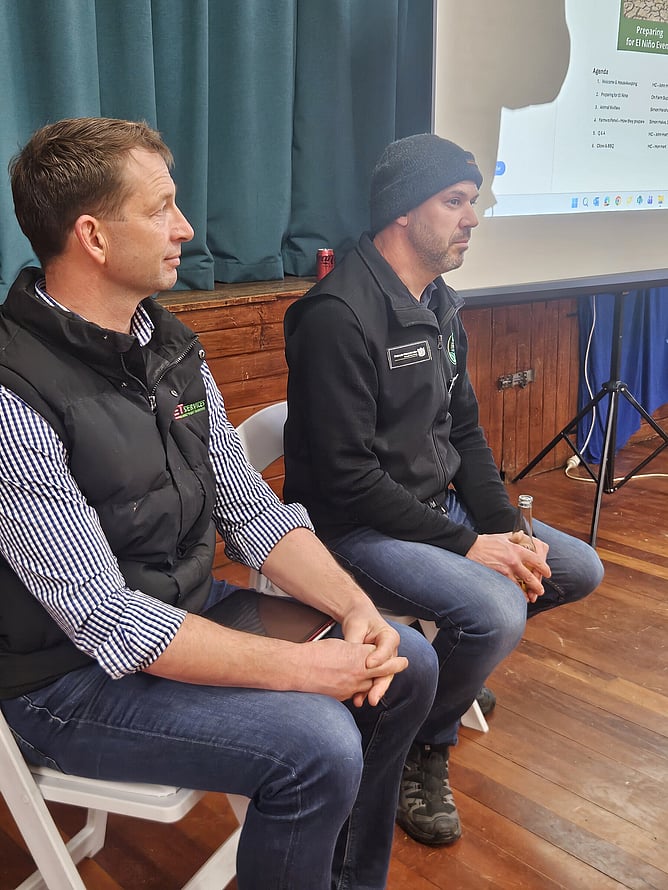
Preparing for El Nino
The key to being equipped for El Nino, if it arrives, is to have a plan and know the levers you can pull if things get tight, and what dates you might take action. Ensure you can protect your engine room – capital stock – so you don’t compromise production in the years to come.
Most importantly, keep talking to friends, neighbours and family, make time to get off farm and enjoy time out from the day-to-day grind, especially if things do get tough.
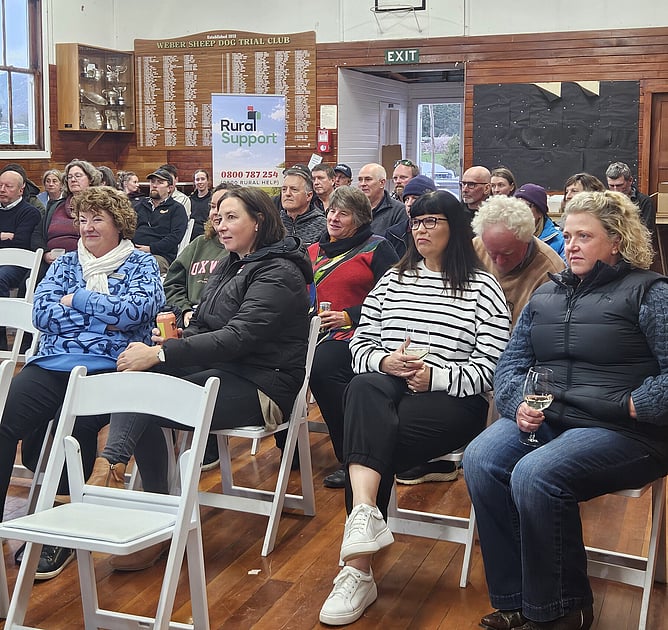
SETTING THE SCENE
Alastair Cole, Ministry for Primary Industries (MPI)
Predictions are for El Nino to deliver reduced rainfall for the eastern side of the North Island, which includes our area, and increased risk of wildfire.
Number one message: Resilience starts with understanding and managing risk – please make a plan.
READINESS: Get prepared. Create a plan and set some dates when key decisions will need to be made. Discuss your plan with people you trust.
RESPONSE: Pull the levers. Monitoring is critical – this includes feed budgeting, water availability, seasonal forecasts and extreme weather and fire warnings. Bring in supplementary feed if you can. Make decisions early.
RECOVERY: Lean on people. This could include MPI, Rural Support Trust, your catchment group or trusted advisors.
AVOIDING ANIMAL WELFARE ISSUES
Simon Marshall, veterinarian, Vet Services Dannevirke
The main goal is to avoid getting to a point where animal welfare becomes a problem. Animal health issues in drought can include:Loss of condition and body weight, which can lead to trouble getting in-lamb or in-calf later on.
Flystrike, especially in the event of isolated thunderstorms causing the fly population to explode.
Heat stress
Strategies to prevent animal welfare becoming an issue:
Body Condition Score (BCS) animals regularly. For sheep, if they have wool on, you’ll need to physically lay a hand on them. Weaning is a great time to BCS your flock. Identify any poorer condition ewes then and look after them. Cattle can be BCS visually in the paddock.
Complete feed budgets now. Work out what your feed demand will be based on maintenance, daily demand and predicted growth rates. If you see you are running into a projected deficit what are the levers you can pull – you might need to de-stock or buy in extra feed.
Think about buying extra supplementary feed now, or at least putting it in the budget. It’s important to get good quality supplement, and to get it early. You can get supplement tested to work out dry matter content and metabolizable energy. If you plan to feed grain you will need to factor in a transition period.
Prioritise vulnerable stock, make a call on them early. It’s about prioritising capital stock – they are your genetics and engine room.
Make sure your water infrastructure is working well. You need good quality water and enough of it in the right places so you can utilise your farm properly. Do any maintenance needed on your water systems now. Think about preventing stock from accessing areas where they could get stuck e.g. dams that are drying up.
Make a plan and put a timeline on it. There’s nothing wrong with making a plan and not using it. Having a plan frees your mind, allowing you to think more clearly and effectively.
Have a flystrike plan in place well in advance. Monitor and take action if you see issues.
Heat stress – shade and shelter are really important for stock. For working dogs, do not run them hard in the middle of the day, do shifts in the early morning or evening when it’s cooler. Tie them up in the shade. If you see any signs like seizures, losing consciousness or heavy panting, get them into water immediately and get them to a clinic – don’t wait.
Acting early is key. Writing something down is a good strategy, and having it somewhere where you can see it. Talk about it with your farming partners, neighbours or Discussion Group.
FARMER PANEL
Simon Hales:
Just be prepared for everything anyway. If you succeed to plan, you plan to succeed.
Learn from your mistakes. Lessons learned from previous droughts – keeping stock when he shouldn’t have resulted in years of lost production.
Assess pasture covers now and be honest with yourself. Set a feed budget.
If you can, train ewes to grain. If you have to, purchase 20 ewes that are trained – they will train the others. Give them plenty of balage and use molasses. Transitioning stock on to grain is about stockmanship.
If feeding grain, don’t stop as soon as it rains, you have to let the pasture recover, get roots down and get a good base.
Back yourself. It’s not about individual actions; it’s about having a plan and knowing your trigger points.
No one every regretted an early decision. Early decisions give you options, and if it doesn’t go dry, you’re prepared to take advantage of opportunities instead.
Deals with the mental side by helping others and giving back through RST work, rather than burying himself in the problem. Has taken up running again, be aware of how you are feeling and try to recognise if you are not feeling so great, and change things up.
Dave Buick:
Make sure you don’t compromise next season. Everything comes down to ewe BCS at weaning and lamb weaning weight.
Have previously spent money on Nitrogen to ‘create’ a spring. Tried a small paddock (3ha) of Swedes as better value for money. This year doing 5ha of Swedes and it frees country up for a long period of time.
Big on planning and KPIs. Does monthly feed budget and knows how much live weight they are carrying per hectare. Having a plan reduces stress.
This year put in an extra 10ha of Kale.
Have never sold ewes with lambs at foot before, but considering that as an option. If that market tanks, then has two mobs of bulls ready to go to create the space to put crops in early. Everything that doesn’t go to the works will be on a crop from weaning. If it doesn’t go dry, will find something else to eat it.
On the local water scheme, which is brilliant, but it’s a risk if the scheme goes down for some reason. Recently put in a back-up plan.
It’s all about planning, and planning ahead of time. KPIs and monitoring are key, keep targets, keep weighing ewes because they’re your bread and butter – they are next year’s production.
Shaun Baxter:
Being on a traditionally summer dry farm means he plans for it to be dry every summer.
Breeding stock are number one priority, they affect your production and financial performance. BCS and focus on lighter ewes to bring them back up to speed.
Strategic use of Nitrogen in early spring.
Sets target dates for weights and killing for all lambs. Weighs stock regularly and has them in weight mobs so, if they do need to pull a lever, they know exactly which mob to go to first.
Has 150 trade two-year-old bulls gone by early December – they are a big lever.
Keeps it simple and doesn’t over complicate things by having too many different mobs. Fortunate to have some flat and uses chicory to get growth rates in lambs.
Cull ewes already identified. Usually finishes all lambs but will possibly sell store lambs.
Don’t sacrifice ewe condition for lamb weights.
Yearling cattle identified as the next mob that will be gone if needed. Have a list of stock that will be sold if necessary, and what dates.
Buys 100 bales of balage annually, has already ordered twice that amount this year.
Update your budget, talk to your bank manager. Keep them in the loop, that way there are no surprises.
Grazing off ewe hoggets is a good option if that’s available to you.
Try to look at it glass half full, at the moment we have really good prices and it makes decision making a lot easier. Lean on a gate, talk to a mate.