Pest Monitoring
Protecting our catchment, one monitoring site at a time.
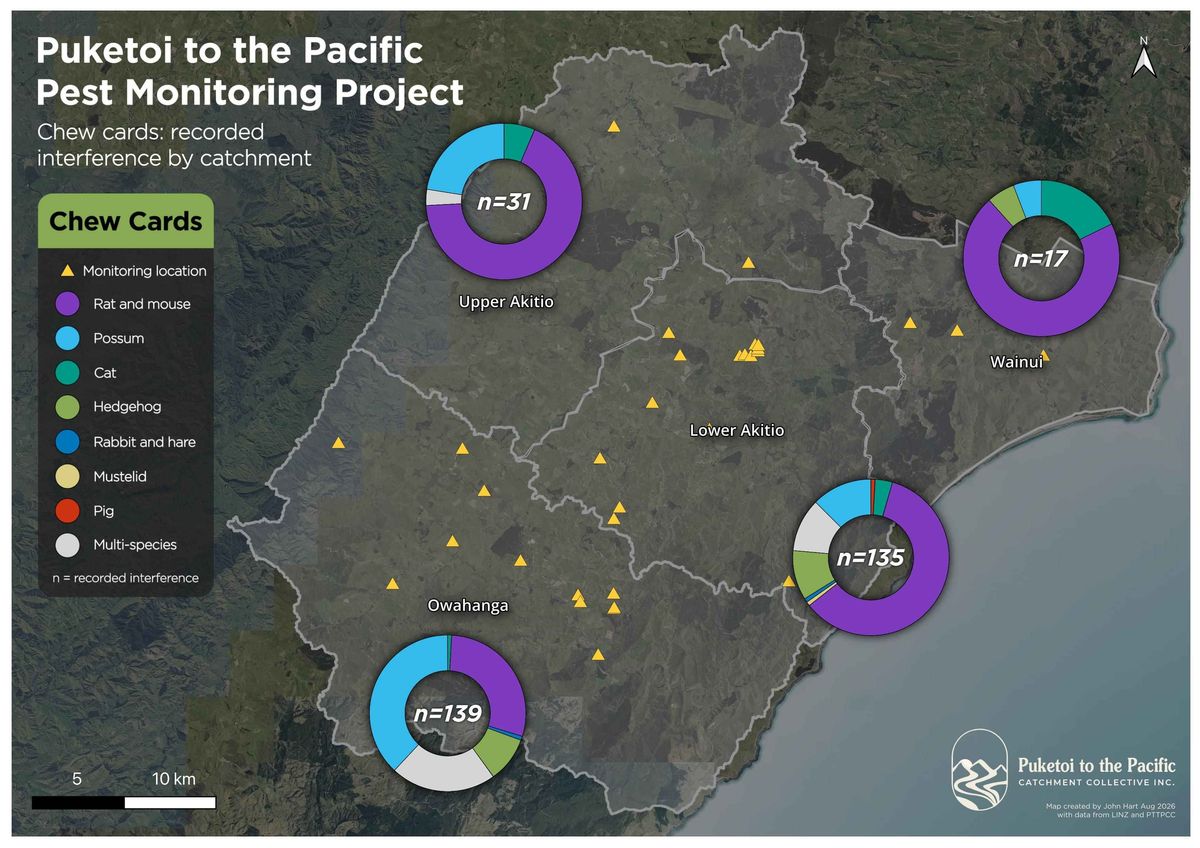
Across the PPCC catchment, pest monitoring is helping us better understand where pest species are present, how populations are changing and where management efforts can have the greatest impact. Explore the latest monitoring results, maps, field updates and native species sightings.
Pest monitoring at a glance
42
Monitoring sites established
318
Pests detected
204
Pests removed
3
Pest hubs identified
67
Volunteers involved
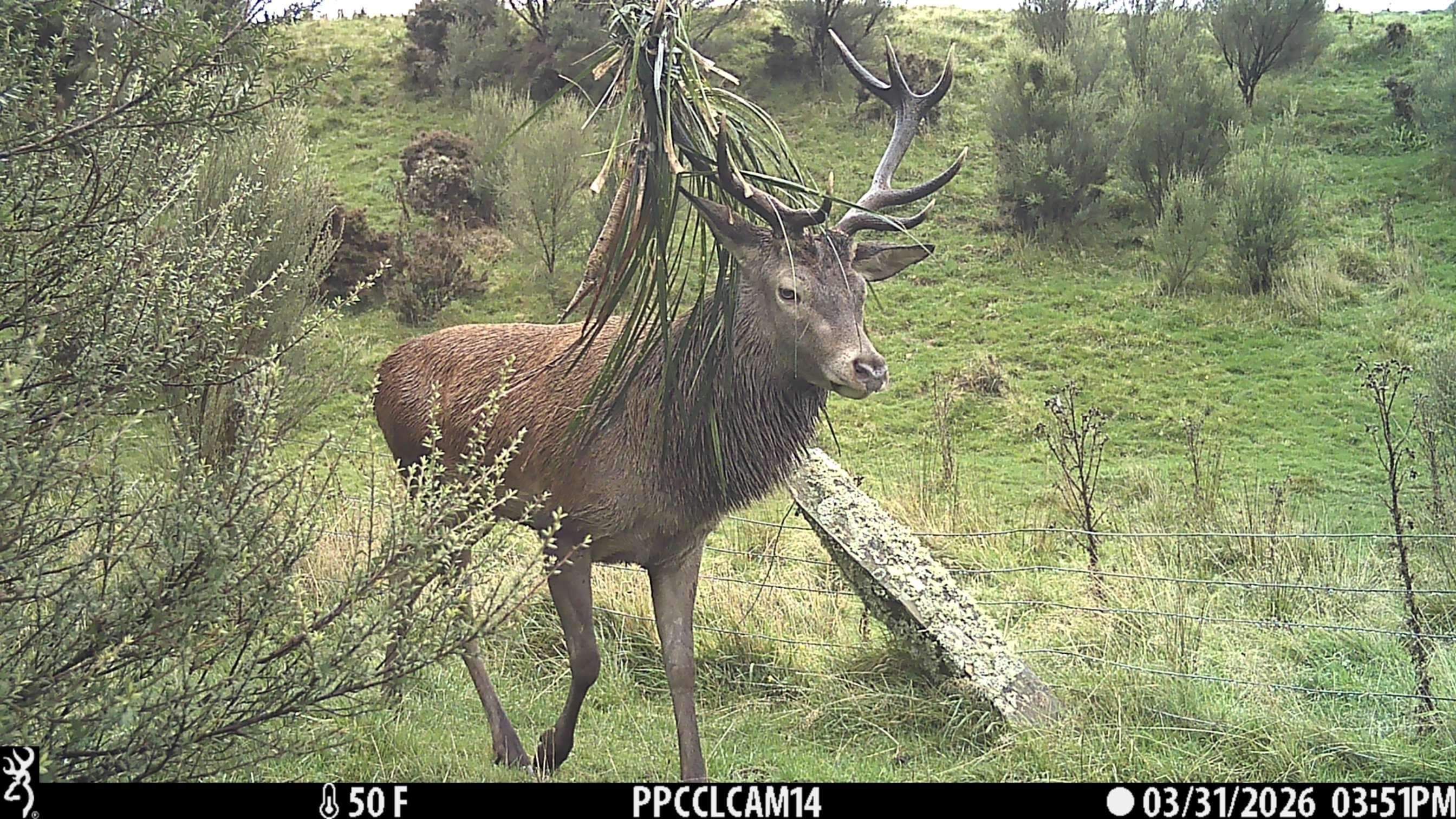
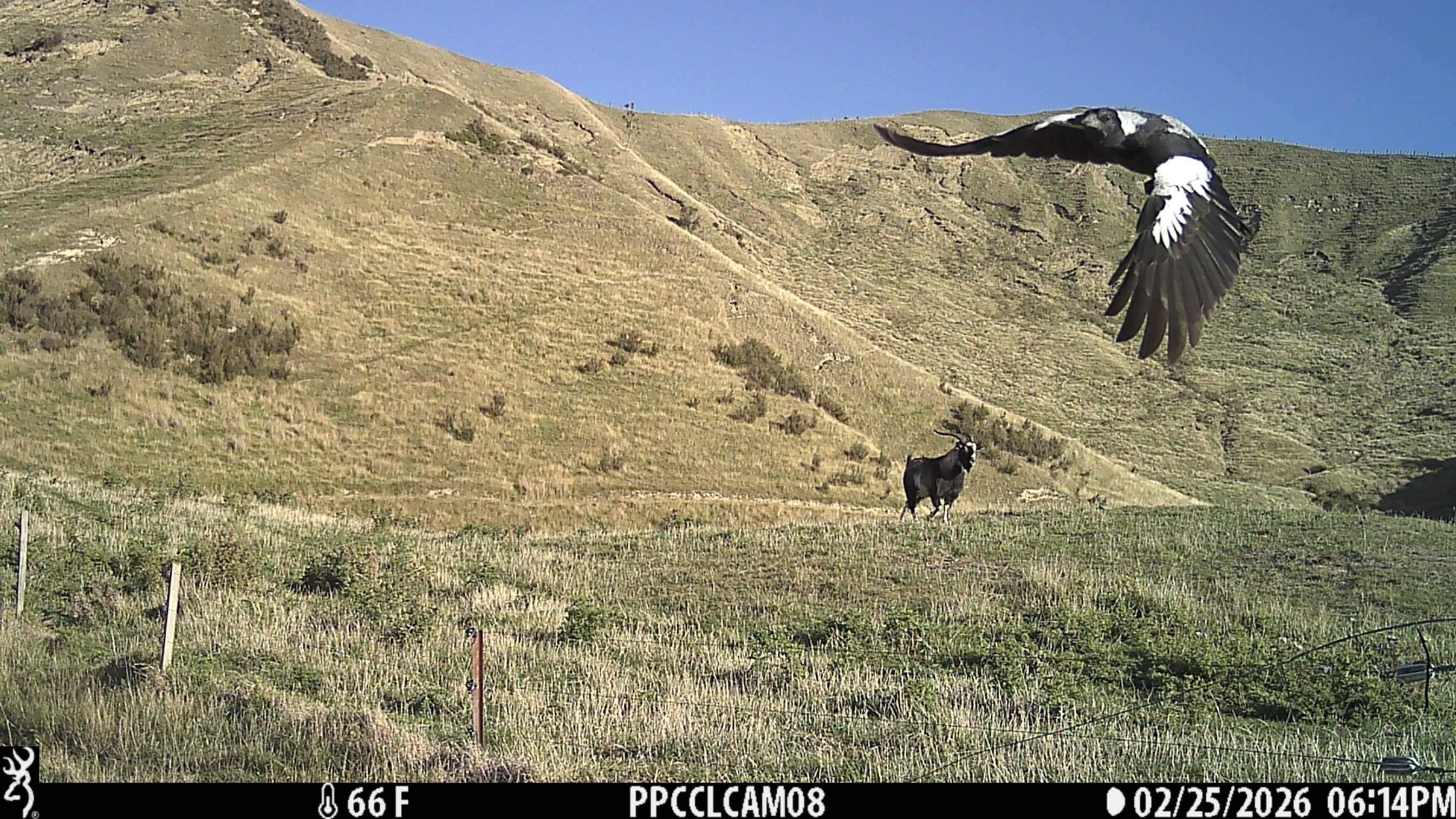
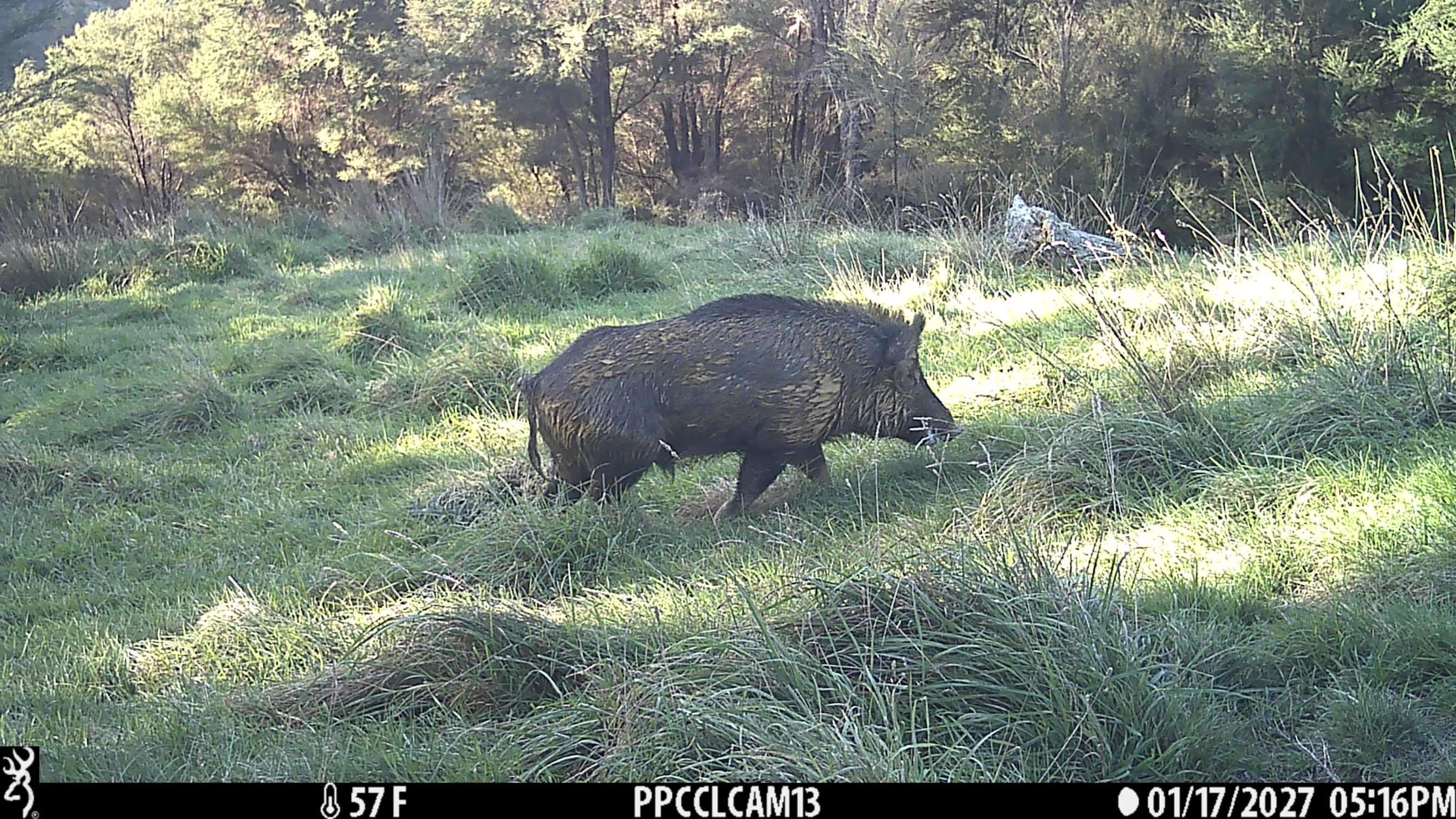
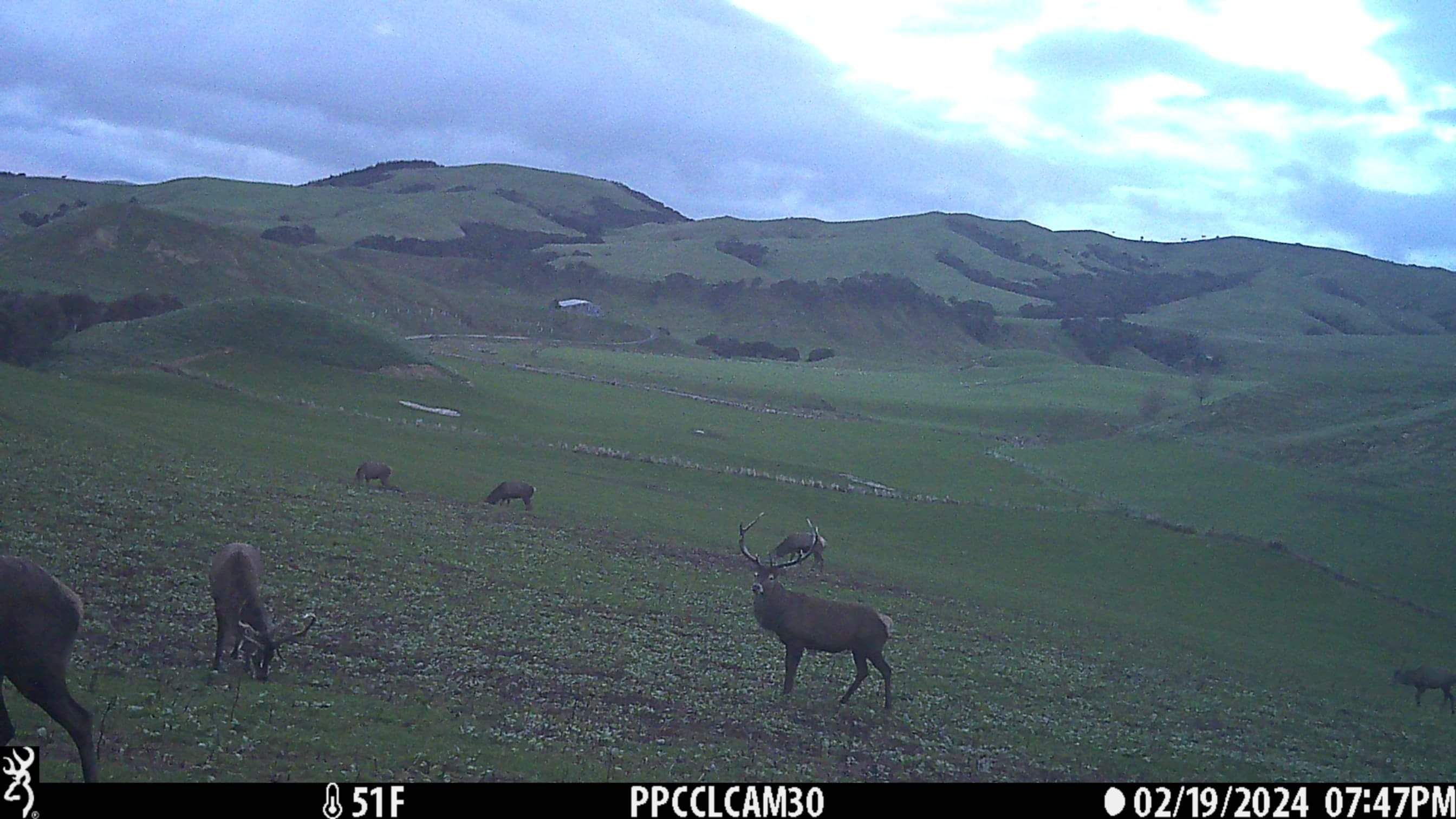
Caught on camera
Our monitoring cameras capture much more than pests. They also provide a glimpse into the wildlife moving through our catchment.
Jump to a section






What are we seeing across the catchment?
Our monitoring programme is helping build a clearer picture of pest activity throughout the PPCC area. Trail cameras and other monitoring methods allow us to identify priority areas, track changes over time and support targeted pest management.
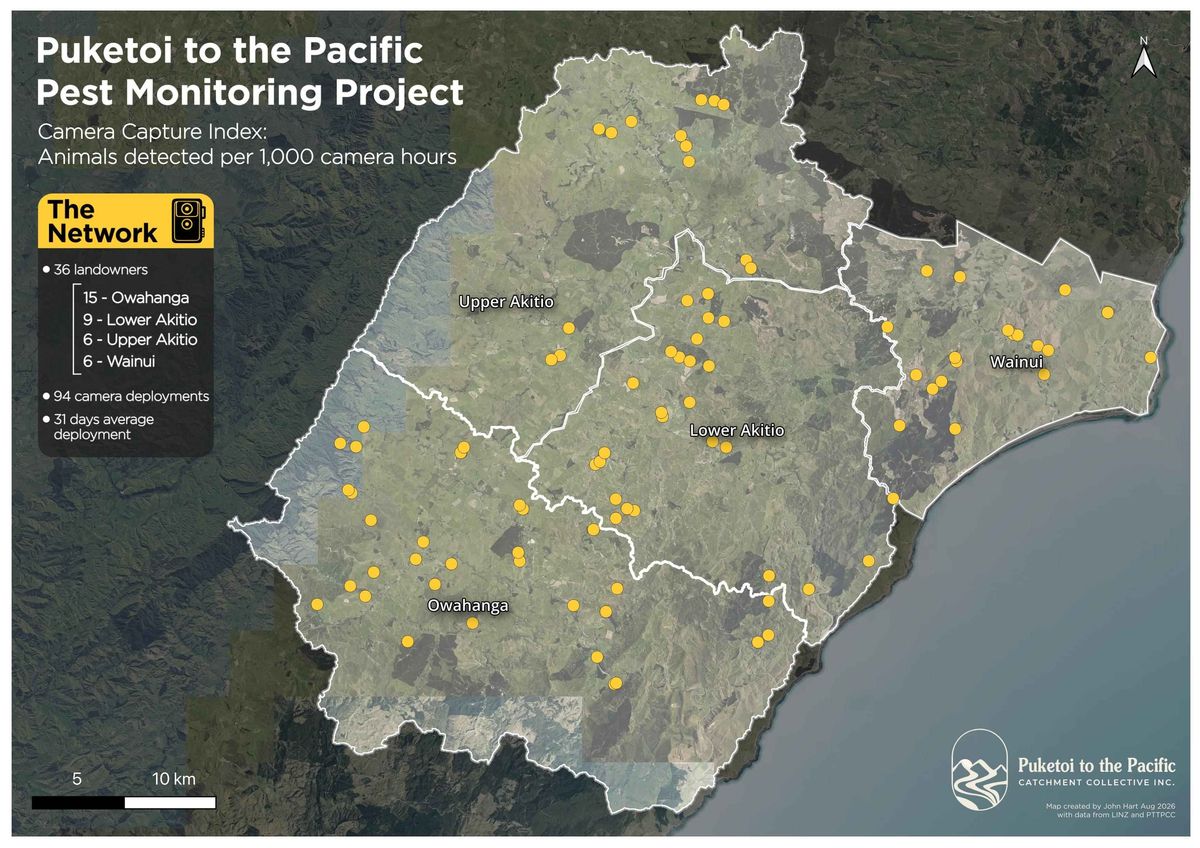
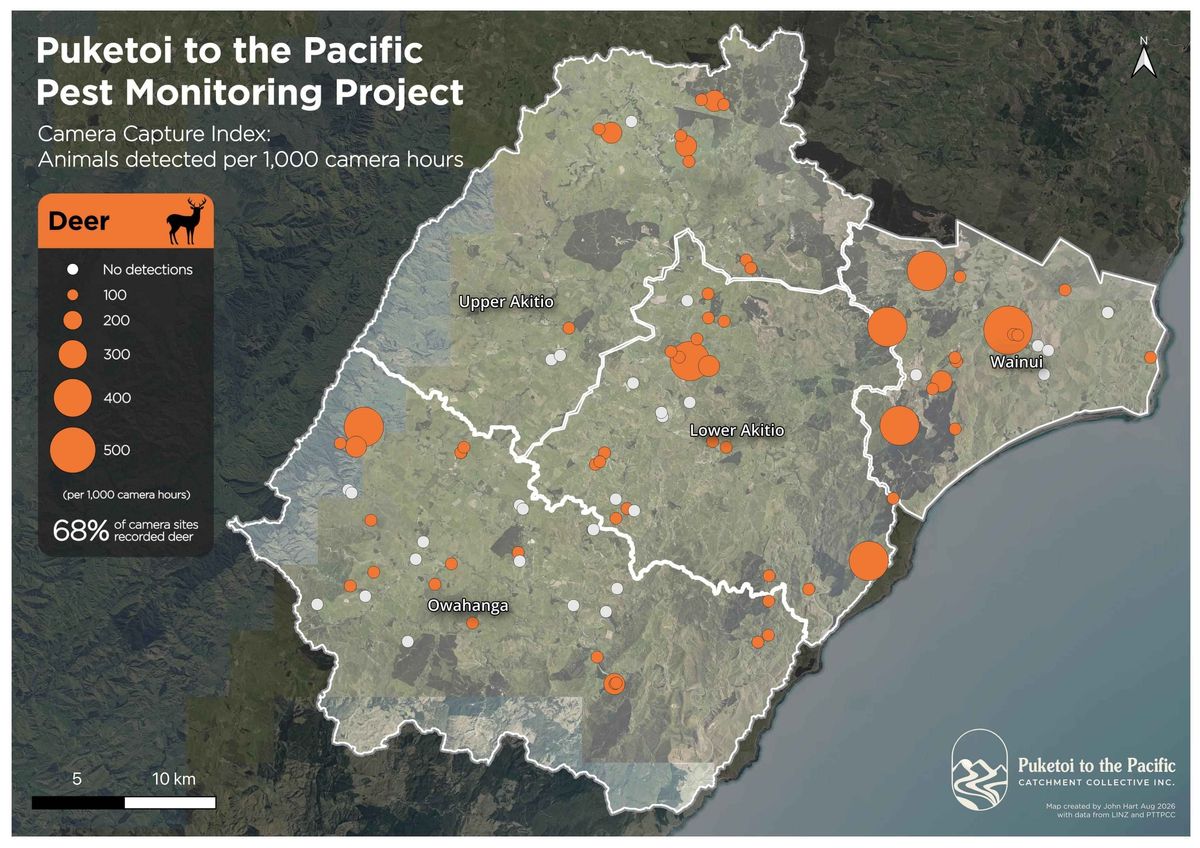
Monitoring results are helping PPCC identify areas where pest activity is concentrated. These Pest Hubs allow resources and control efforts to be focused where they can have the greatest impact.
1
Pest Hub 01:
Upper Mangaohane
Rangitīkei headwaters
High possum and mustelid activity detected across a 400ha block. Camera data shows sustained pressure on kiwi habitat. Targeted trapping network deployed.
2
Pest Hub 02:
Pohangina Valley East
Mid-catchment corridor
Rat and stoat detections concentrated along riparian margins. Adjacent to known kererū roosting areas. Bait stations installed along 8km transect.
3
Pest Hub 03:
Coastal Fringe Zone
Pacific coastal margin
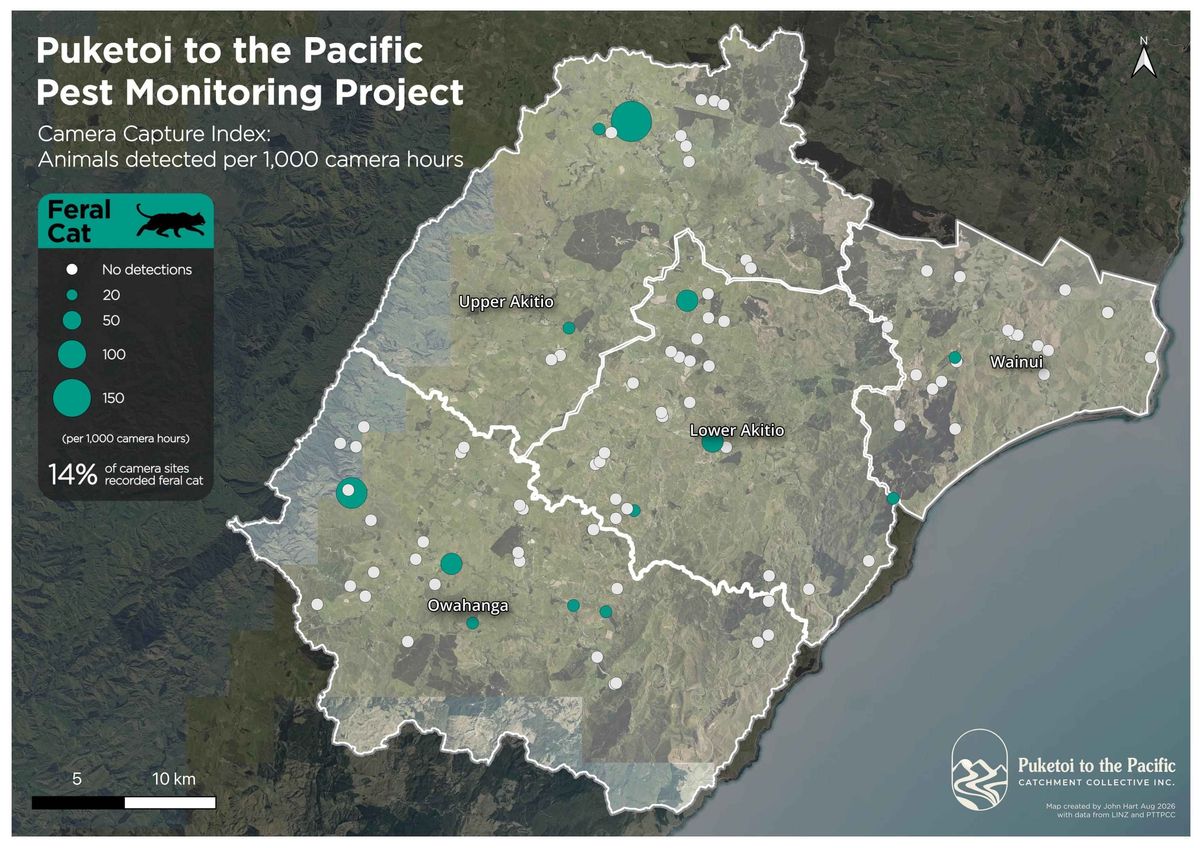
Feral cat activity identified near coastal wetland. Camera network established with landowner partnerships. Results feeding into regional cat management plan.
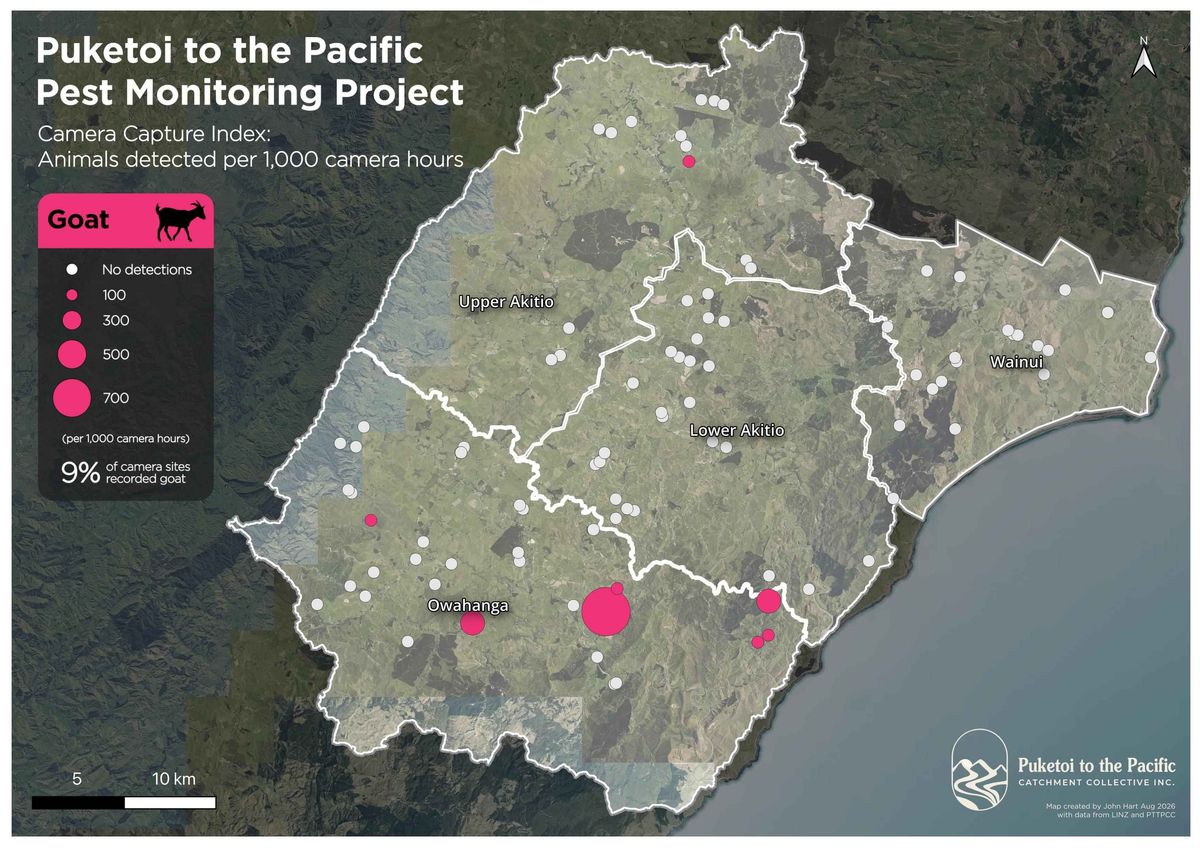
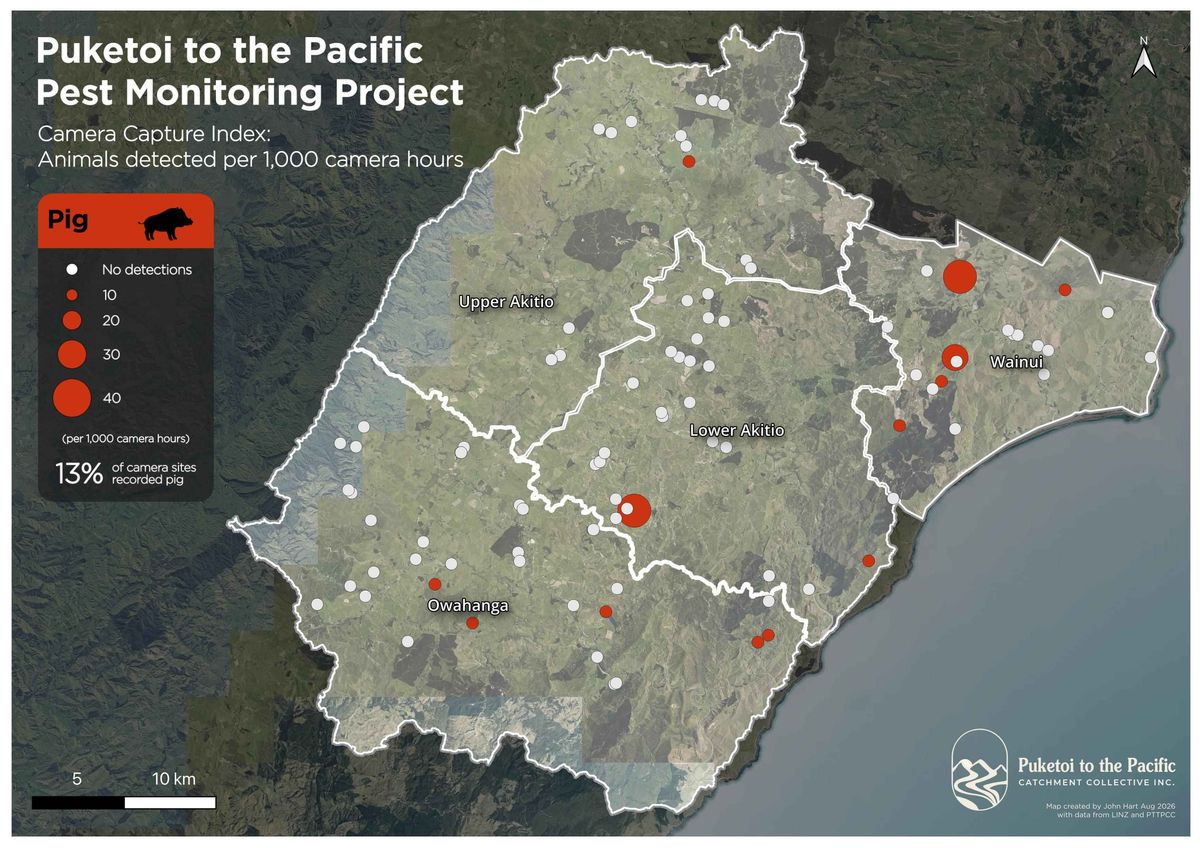
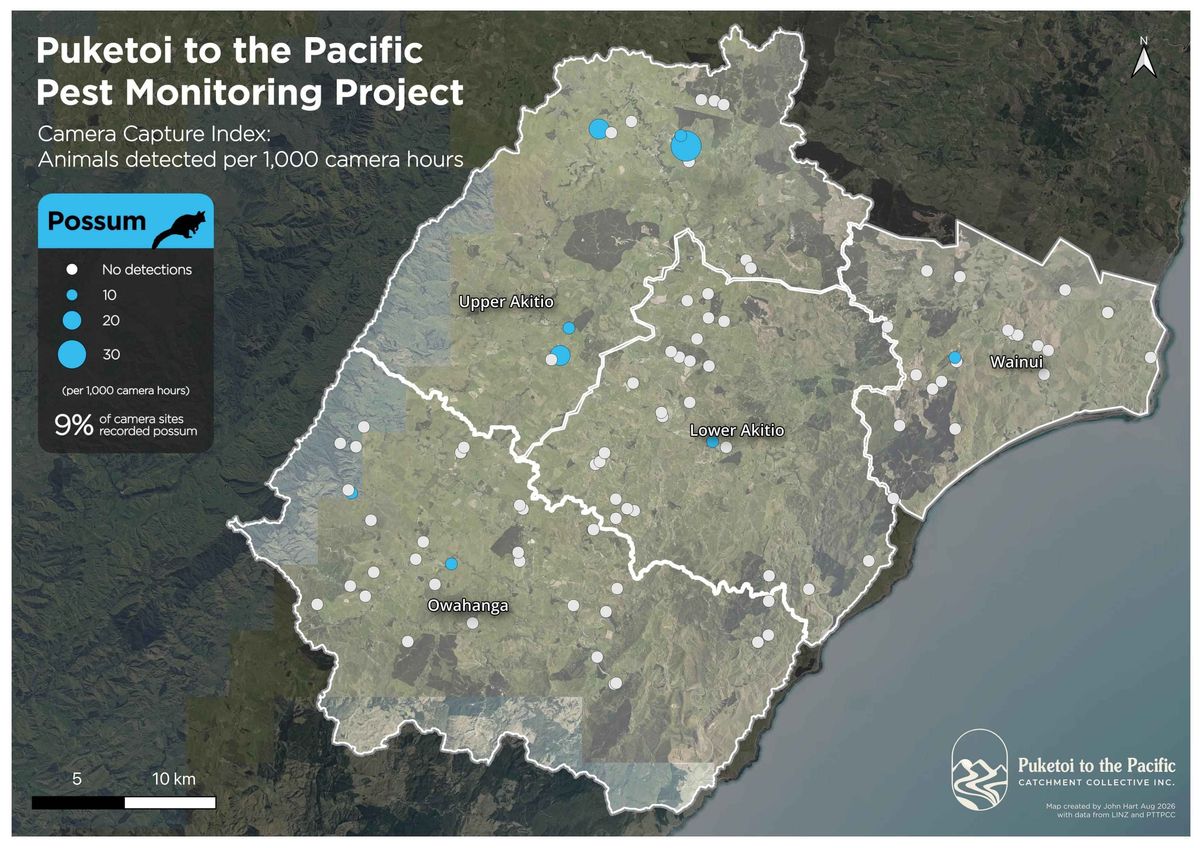
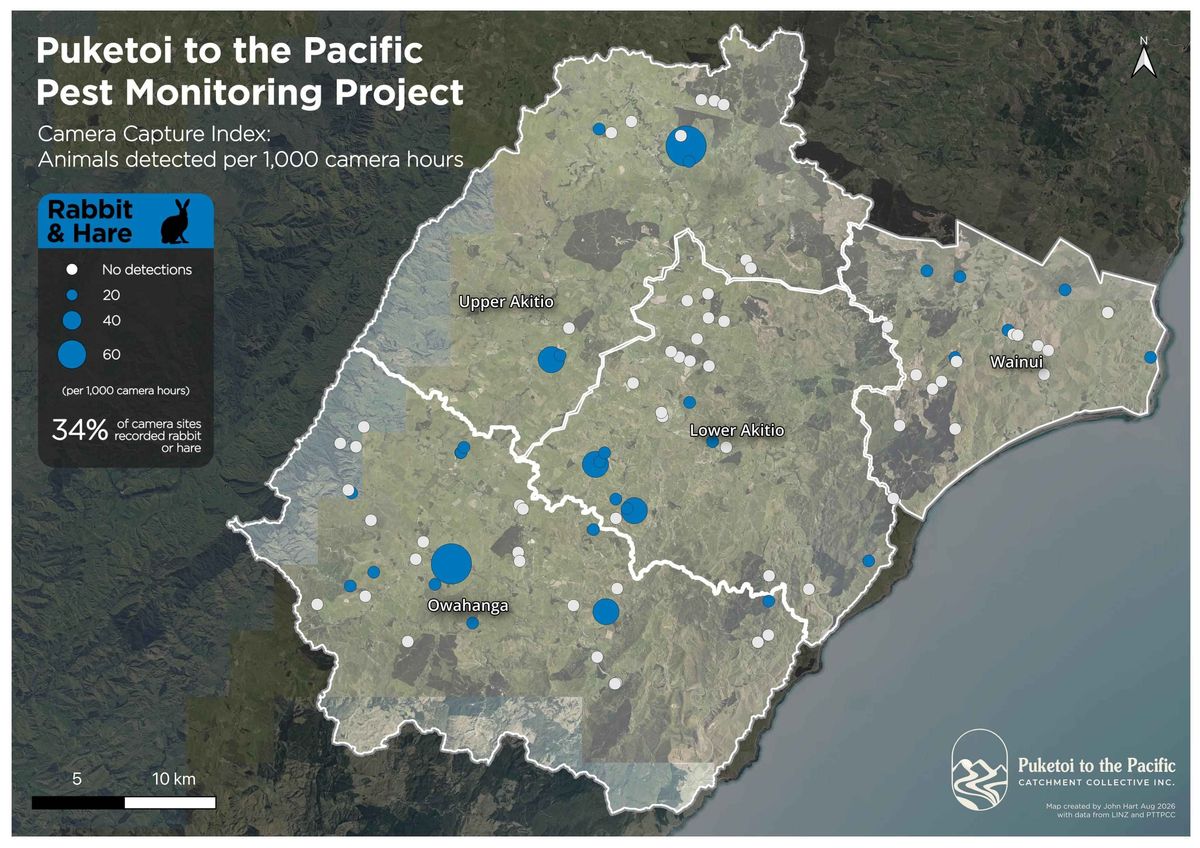
Use the interactive map to explore monitoring sites, pest detections and Pest Hub locations throughout the PPCC catchment.
A collection of articles written by the PPCC team to help landowners, volunteers and community members understand and take action on pest management across our catchment.
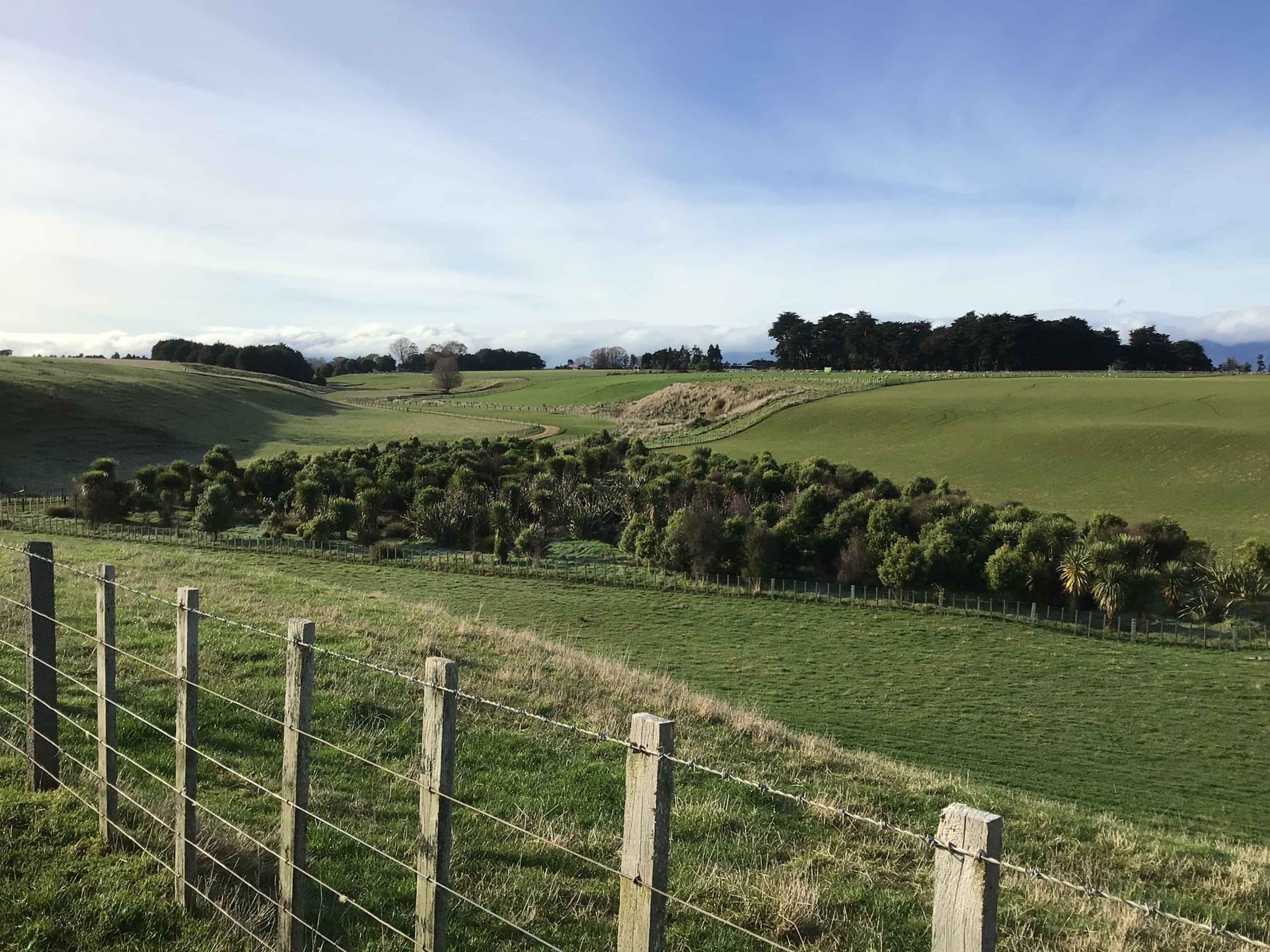
Riparian planting on your farm
Riparian planting is a great way to help filter nutrient run off and create biodiversity habitat on your farm. We spoke to Horizons Regional Council (HRC) Freshwater Advisor, Sarah Falloon, to find out more about what it entails.
Predator control 101
What you need to know about making a plan for your farm
Predator control isn’t just about setting traps – it’s about knowing what you’re protecting and what’s threatening it. PPCC is working with John Bissell from Backblocks Environmental to create a district-wide pest and predator plan, starting with monitoring to find out what’s really out there.
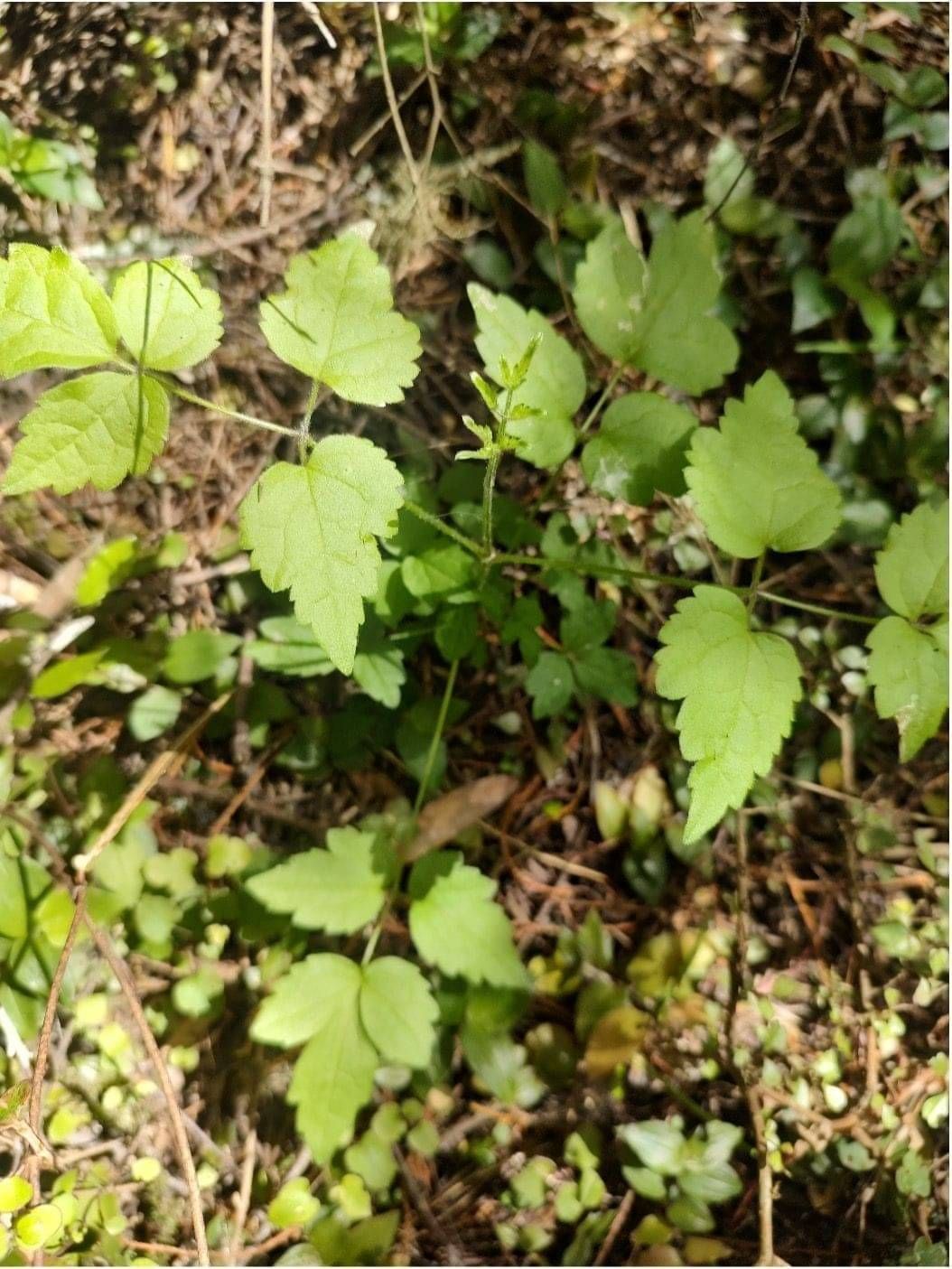
Pesky plants – how to deal with Old Man’s Beard
Now is the time to deal to Old Man’s Beard before it drops its leaves and goes dormant for winter. This fast-growing vine can quickly take over if left unchecked, but with the right approach, it’s manageable. Use this guide to identify it early and take practical steps to stop it in its tracks.
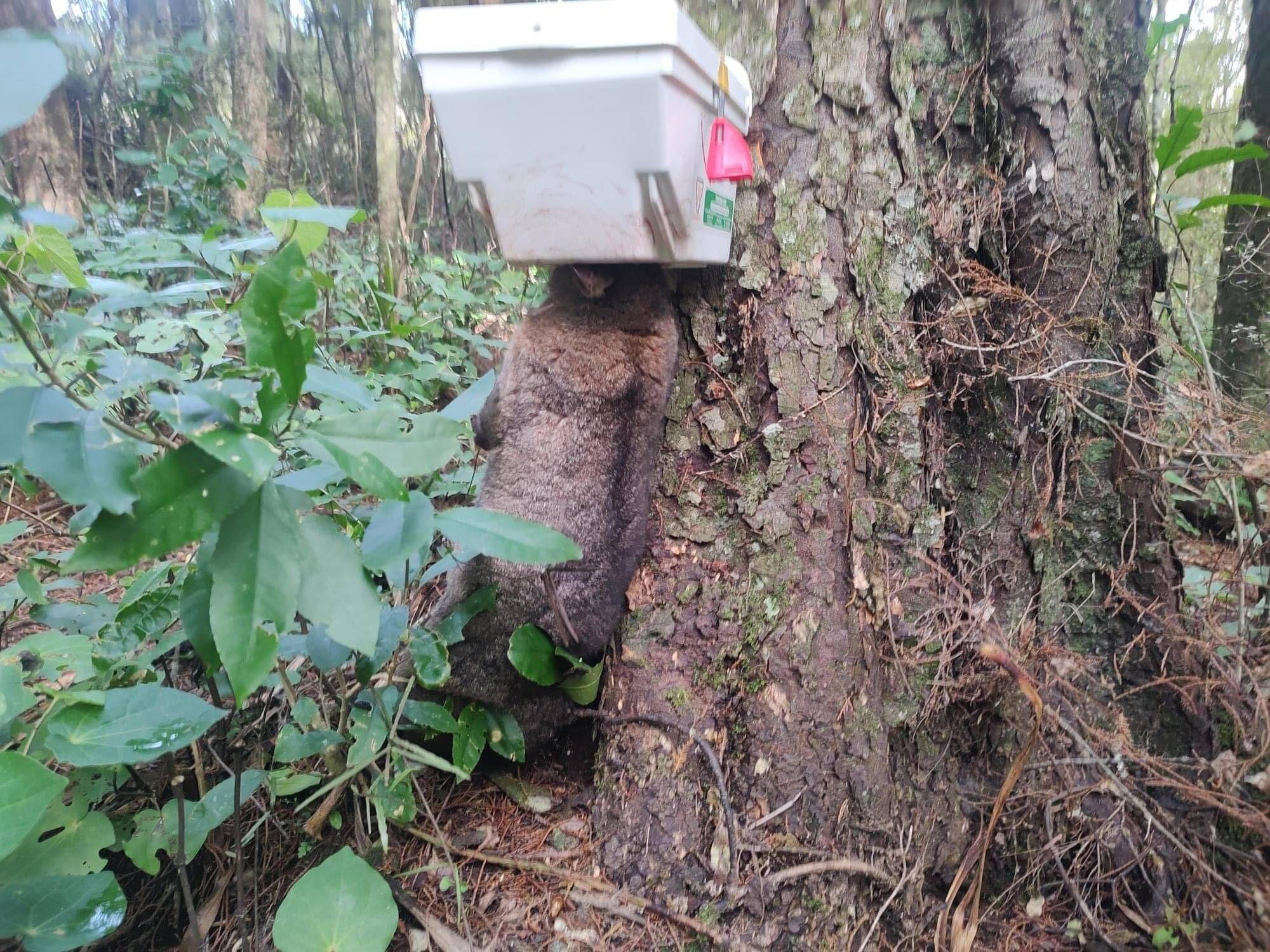
Three possums down…
New pest traps installed by the Owahanga Catchment Group and Pongaroa School students have already caught three possums and one rat in less than a week, supporting ongoing pest control efforts in the Pongaroa Village Bush Walk and 4 Mile Bush.
A visual guide to the main pest species being monitored throughout the PPCC catchment.

Mustelids
Stoats, ferrets and weasels pose a significant threat to native wildlife including ground-nesting birds.
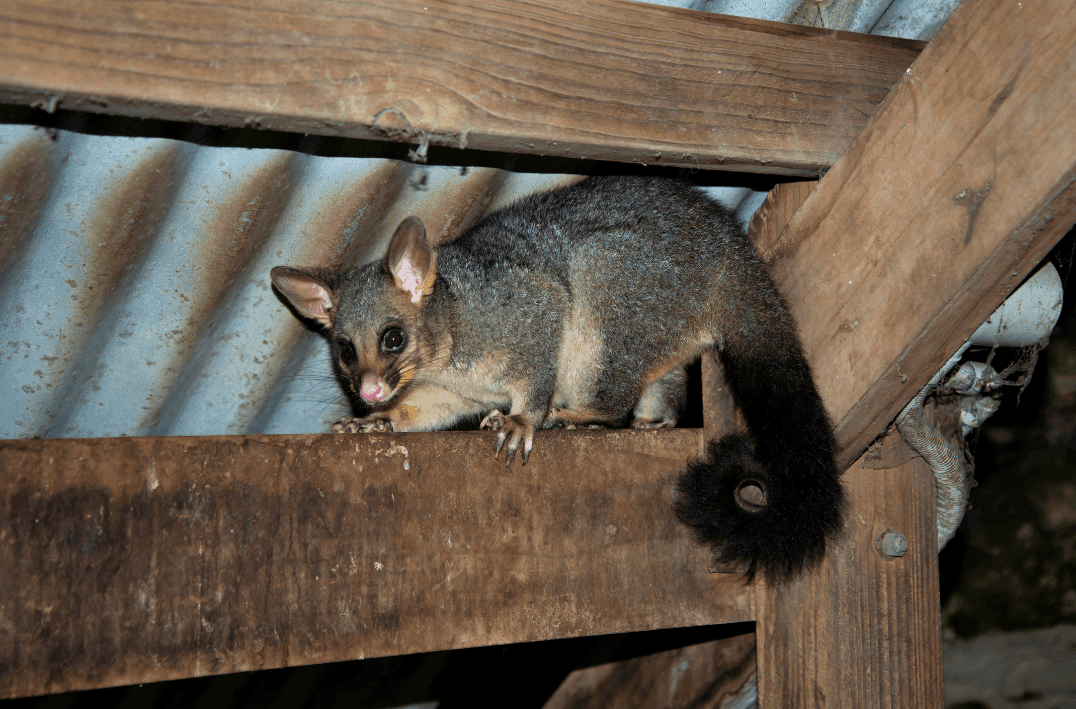
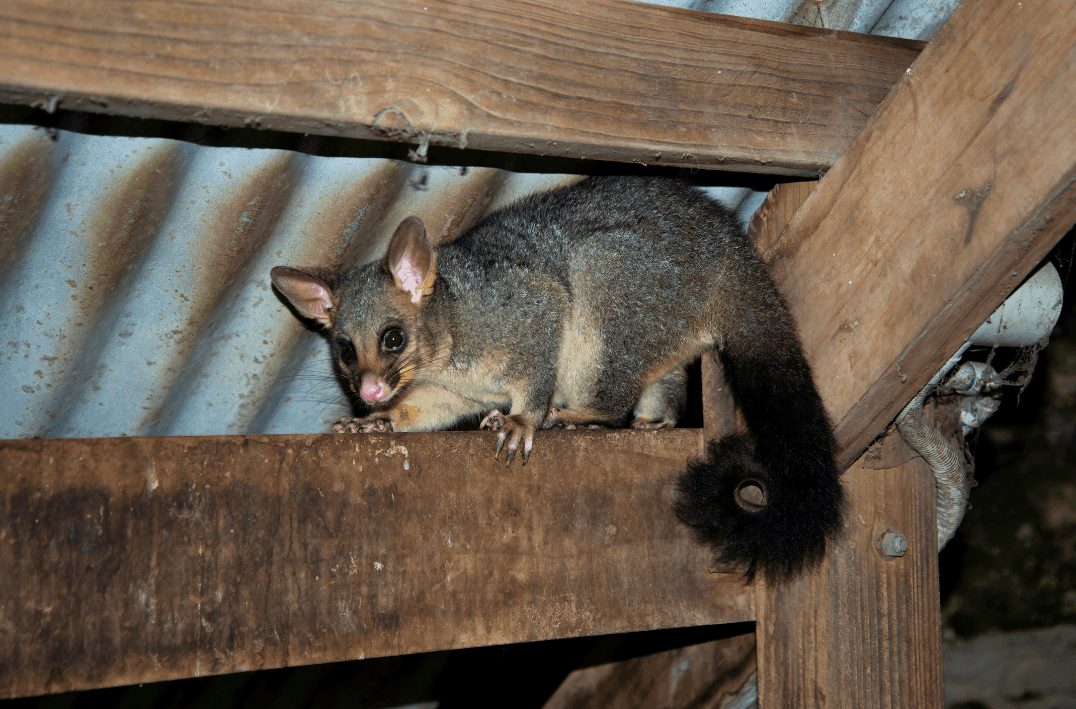
Possums
Highly destructive browsers that strip native trees of foliage and compete with native wildlife for food.

Rats
A major predator of native birds, eggs, insects and plants. Active year-round and difficult to control.

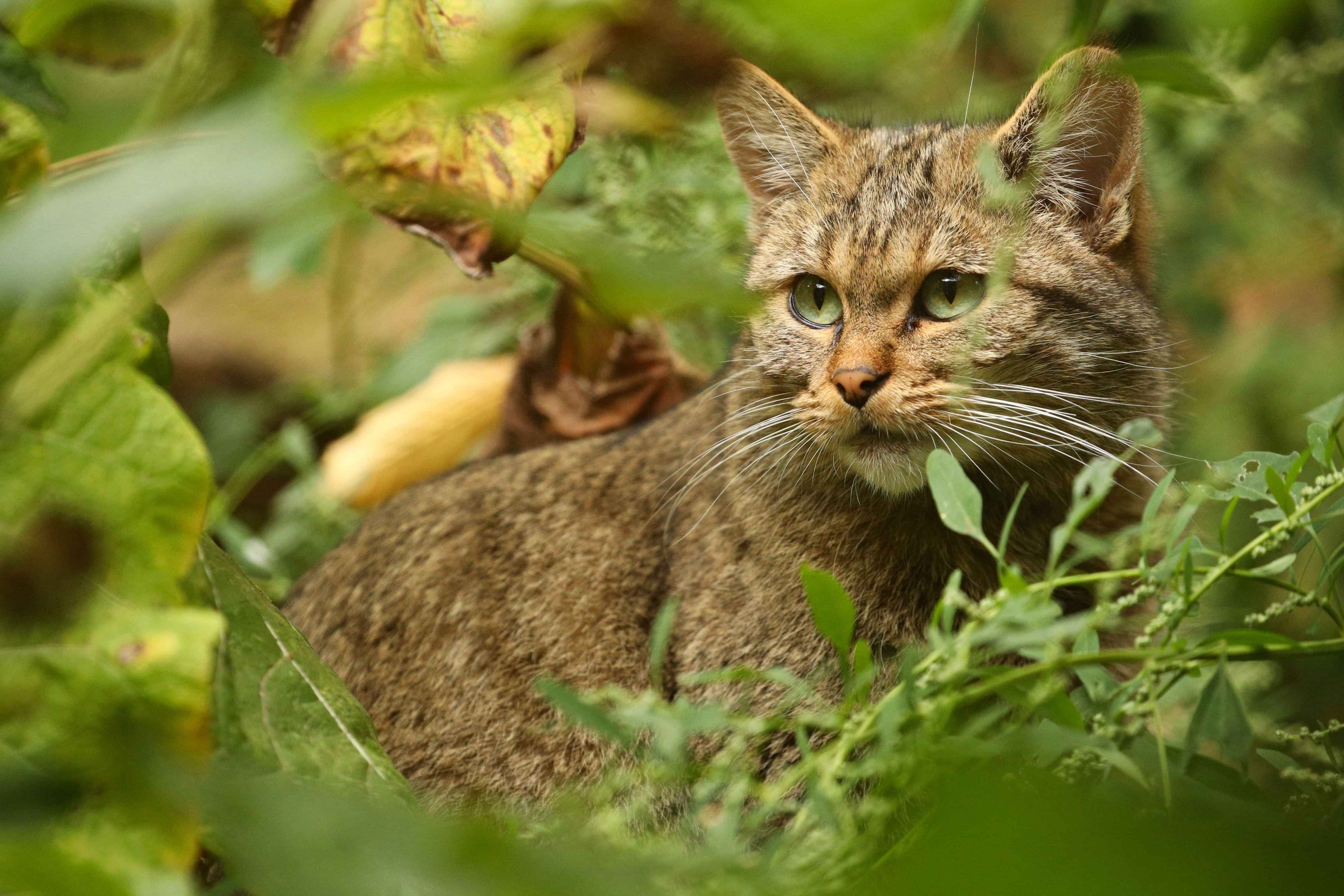
Feral Cats
Can have a significant impact on native bird and lizard populations, particularly at night.
Pest monitoring isn't only about finding pests. It's about protecting the native species and ecosystems that call our catchment home. From native birds to insects, reptiles and plants, the PPCC catchment supports a diverse range of species.
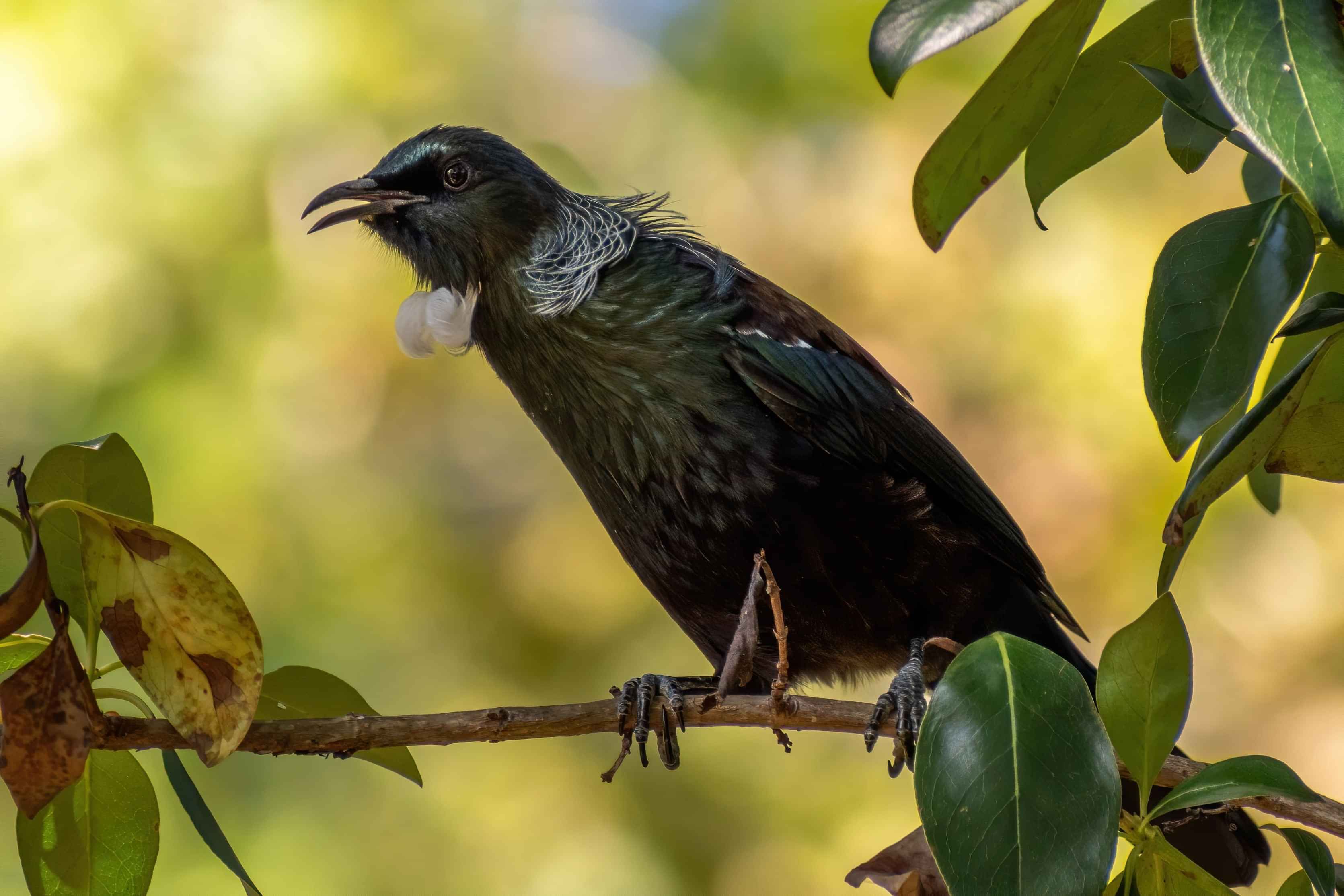
Tūī
Iconic forest bird with distinctive white throat feathers and melodic song.
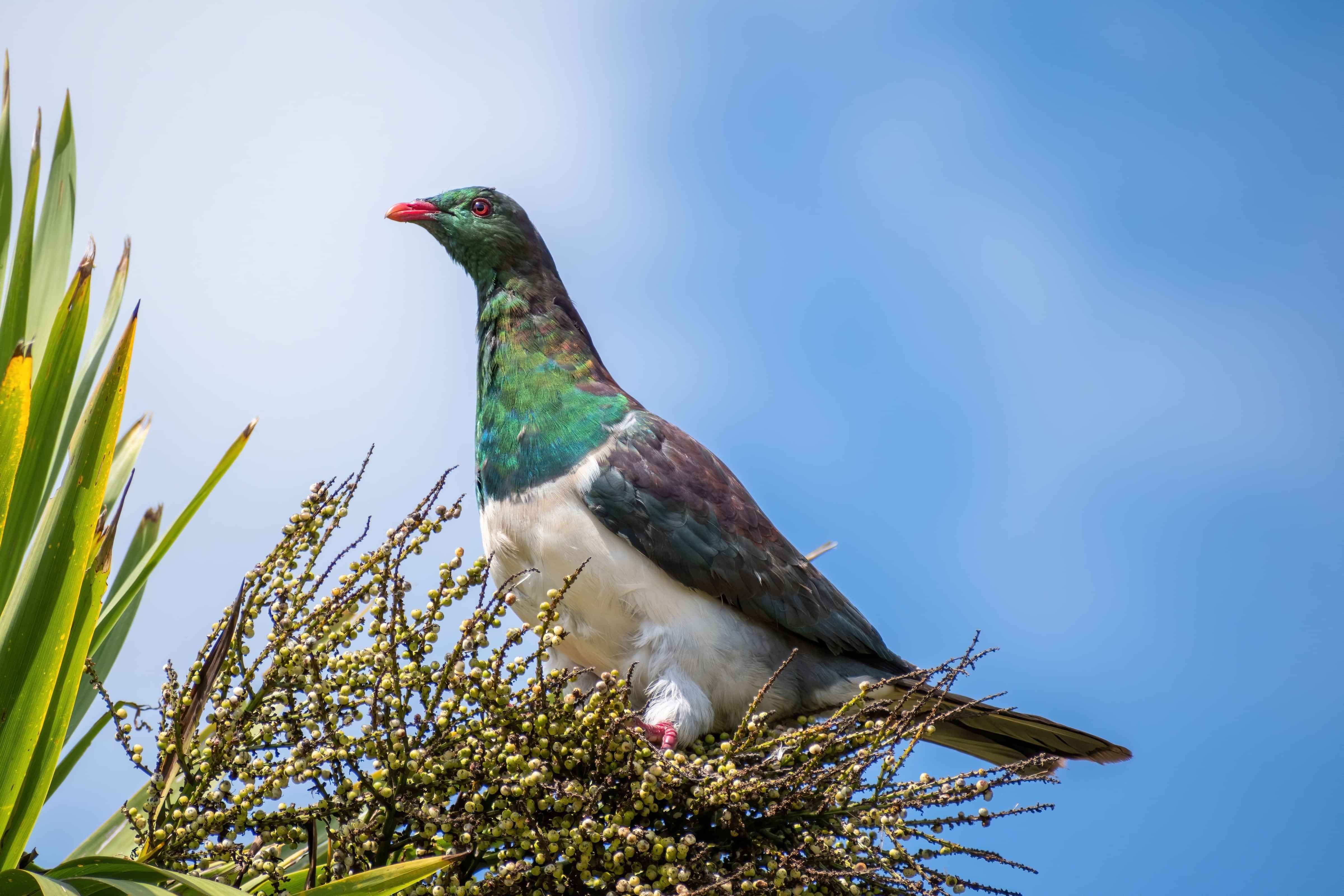
Kererū
New Zealand wood pigeon, vital for dispersing large native tree seeds.
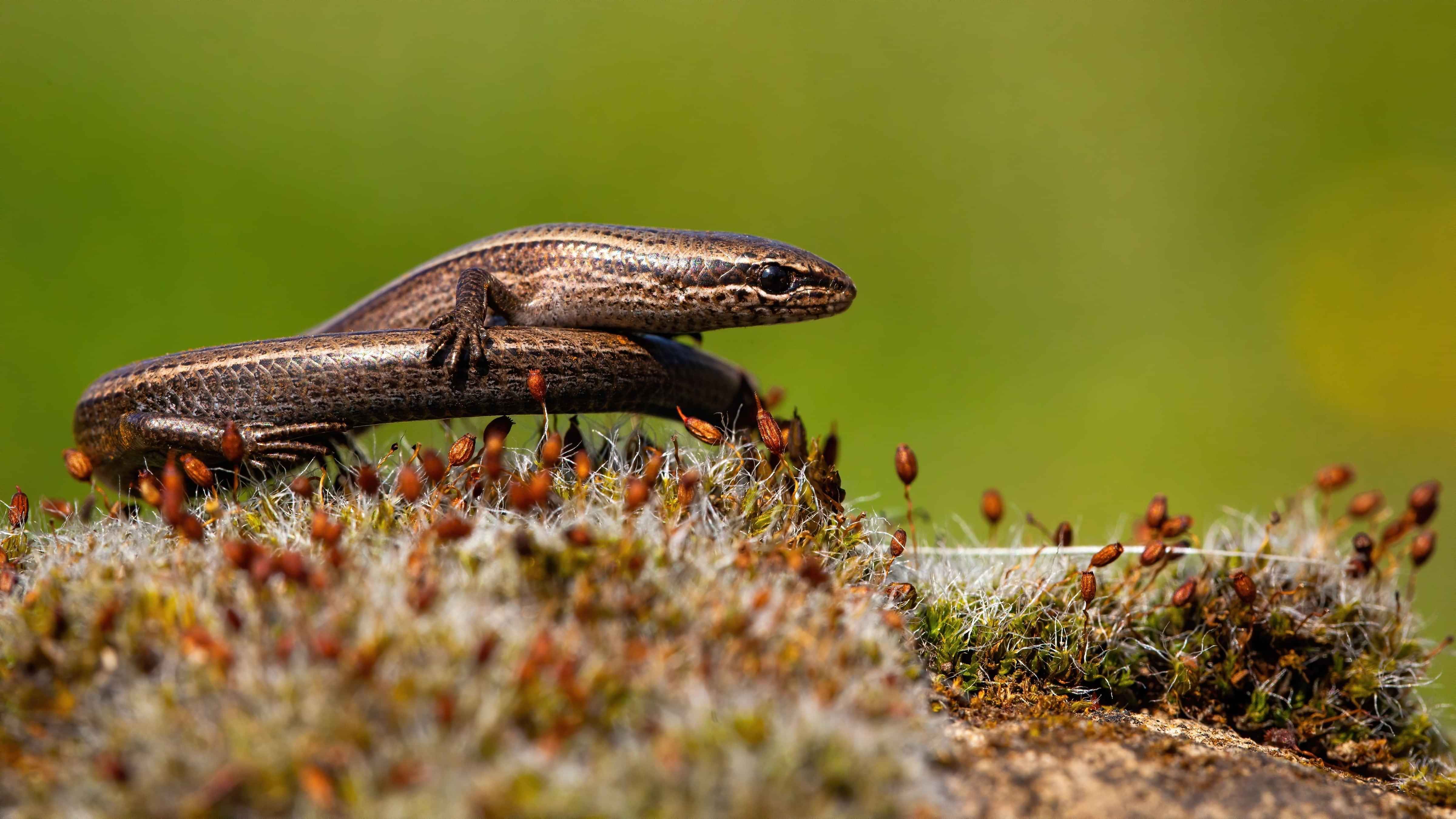
Skinks & Geckos
Native lizards that play important roles in pollination and seed dispersal.

Wētā
Ancient insects that have survived unchanged for millions of years in New Zealand.
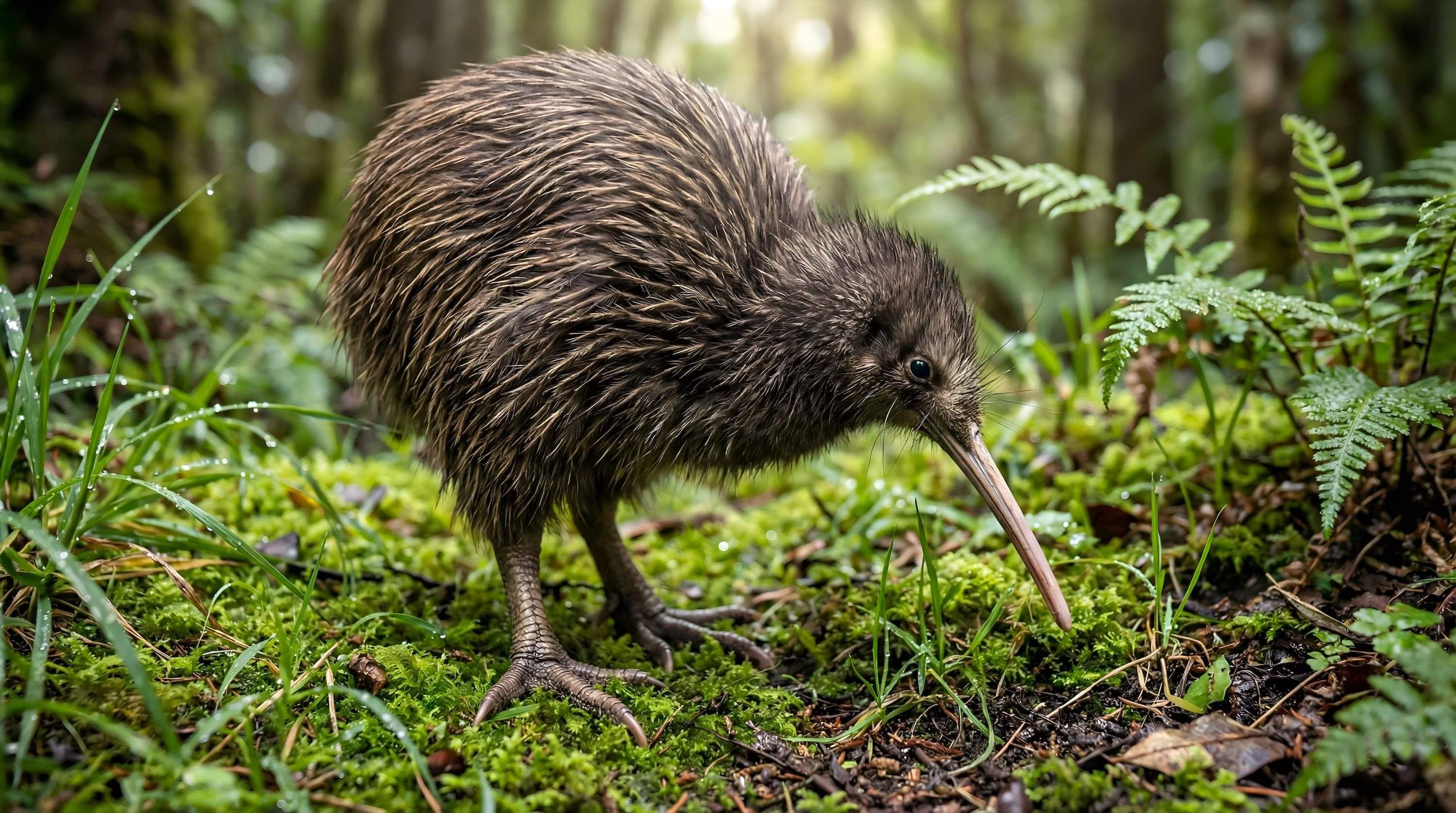
Kiwi
New Zealand's national icon, a flightless nocturnal bird facing ongoing predation pressure.
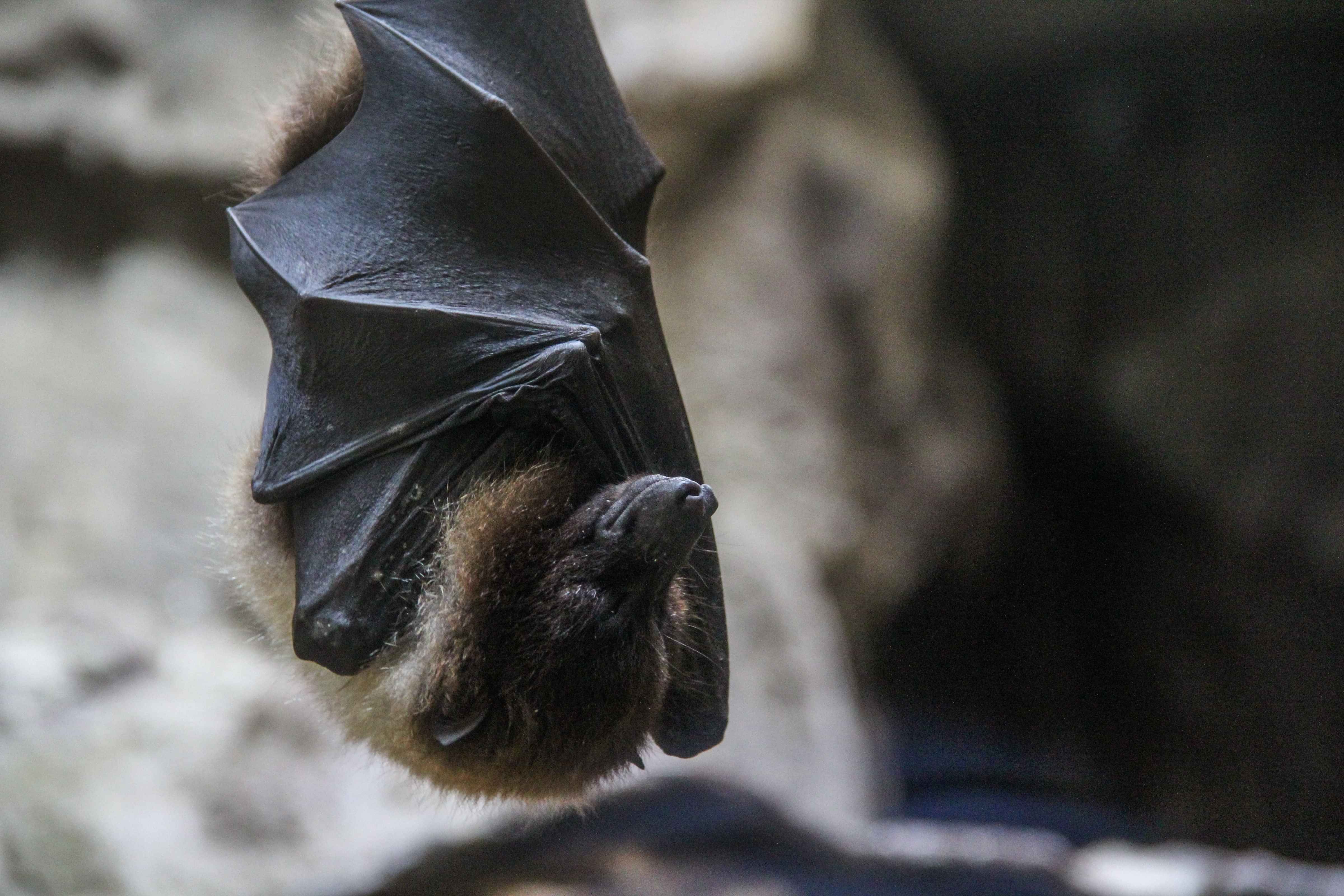
Long-tailed Bat
One of New Zealand's only two native land mammals, now critically threatened.
Have you seen a native species in your part of the catchment?
We'd love to hear about it. Share a photo or sighting and help us build a better picture of the native species found throughout the PPCC area.
Thanks to our supporters